From my original archive
Cameroon
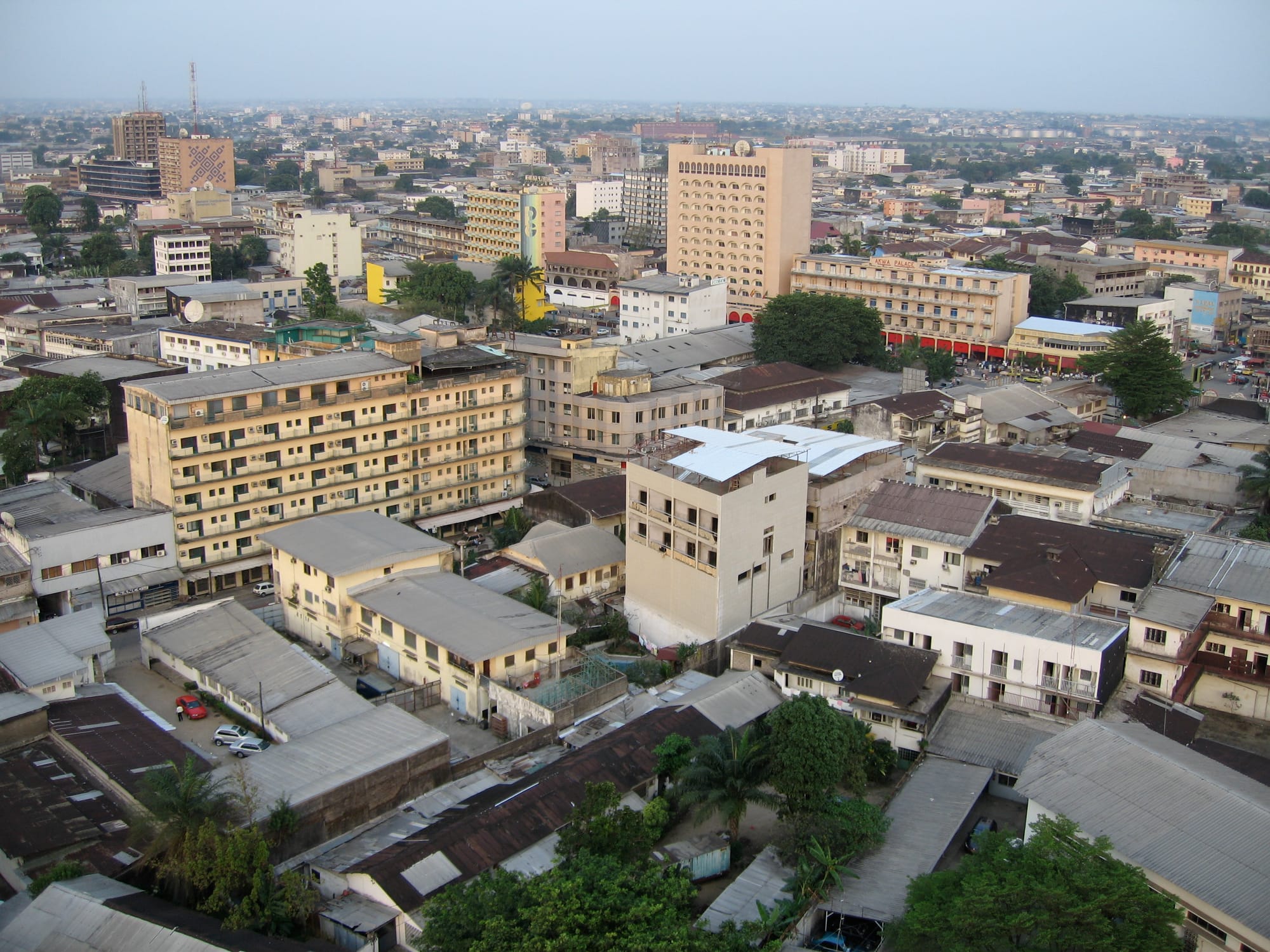
Destination overview
About this destination
Cameroon lies where Central and West Africa meet, with a coast on the Gulf of Guinea. Yaoundé is the capital, while Douala is a major port and commercial centre. French and English are official languages, alongside many local languages.
The landscape ranges from tropical forest to highlands and northern savanna. Mount Cameroon rises close to the coast and is an important volcanic landmark. Agriculture, fishing and trade link the country's very different regions.
Its musical traditions include makossa, strongly associated with Douala. This geographical and cultural variety explains why Cameroon is often described as a small-scale reflection of Africa's diversity.
My connection
Tourist visit.
Original archive notes and photographs
My original travel notes
Cameroon is a country located in Central Africa, with a population of approximately 26 million people. The country has a diverse landscape, with coastal plains, mountains, and savannas. The official languages of Cameroon are English and French, reflecting its colonial history with Britain and France. Additionally, there are over 200 different ethnic and linguistic groups in the country, each with its own traditions and customs. Cameroon has a mix of traditional and modern industries, with agriculture, forestry, and mining being significant sectors of the economy. The country is also known for its rich cultural heritage, including music, dance, and art. However, Cameroon faces several challenges, including poverty, corruption, and political instability. In recent years, there have been concerns over human rights violations and conflict in the Anglophone regions of the country.
Personal memories
I spent only two days in Cameroon in 2006, waiting for a flight to N’Djamena, so I cannot say much about the country. The city seemed dirty to me at the time, but the Cameroonians I met were friendly, as I have often found elsewhere in Africa.