An edited account of my installation, with equipment roles clarified and historical project figures identified.
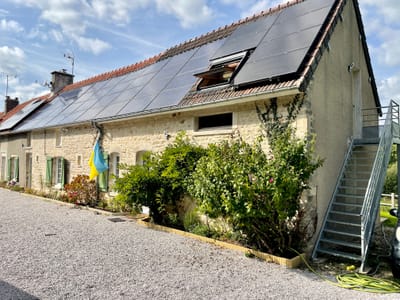
My solar installation in Normandy developed in two stages: a 9 kW photovoltaic installation in 2013 for grid export, followed by a 6 kW installation in 2021 for self-consumption, with approximately 16 kWh of Pylontech battery storage. These figures describe my project; battery capacity is expressed in kWh, while power is expressed in kW.
My original project notes recorded an overall investment of about €50,000: approximately €33,000 for the first stage and €17,000 for the second. These are historical project figures, not current quotations or a guaranteed payback calculation.
Grid-export installation
- Centrosolar S-Class photovoltaic panels
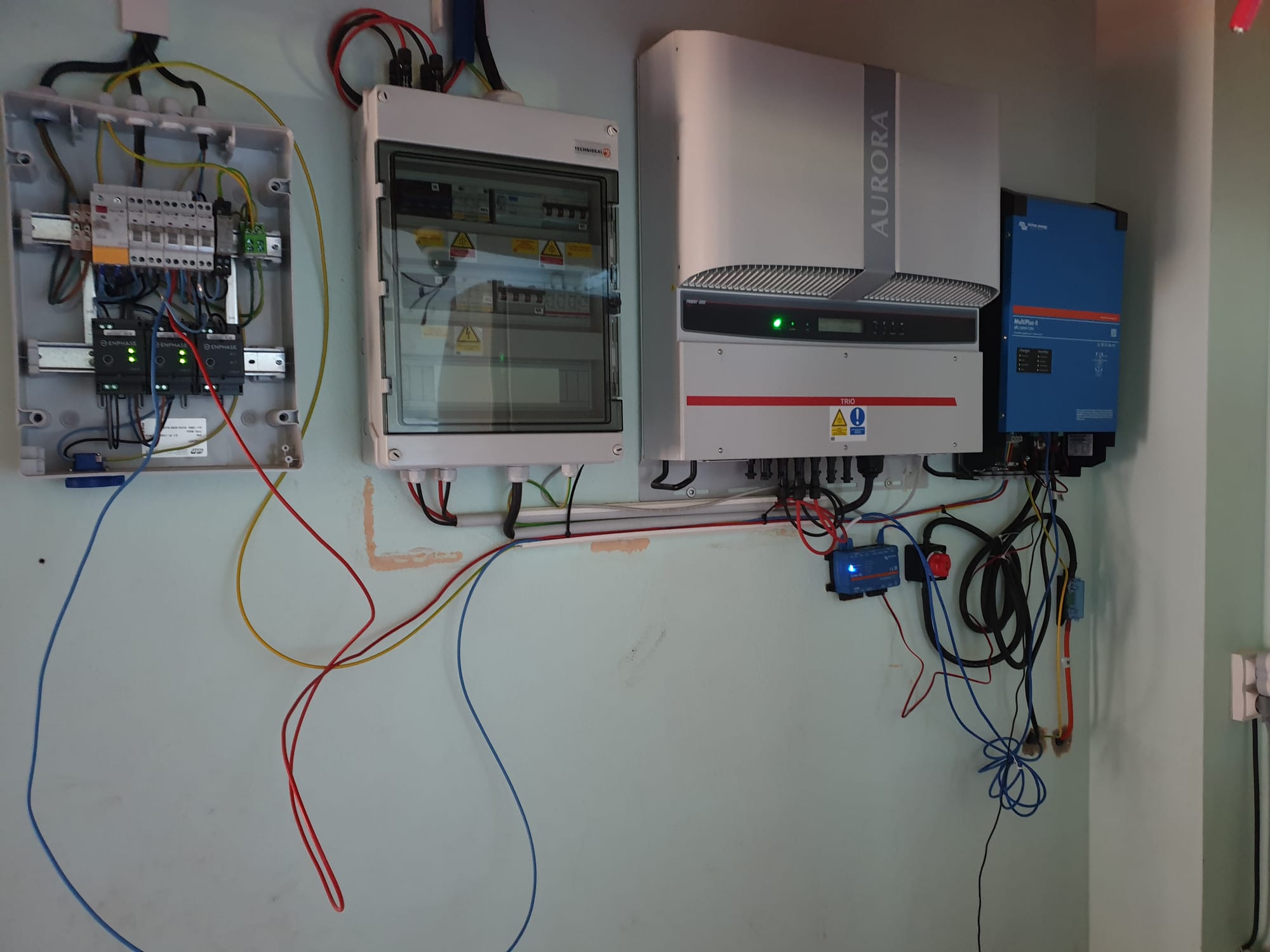
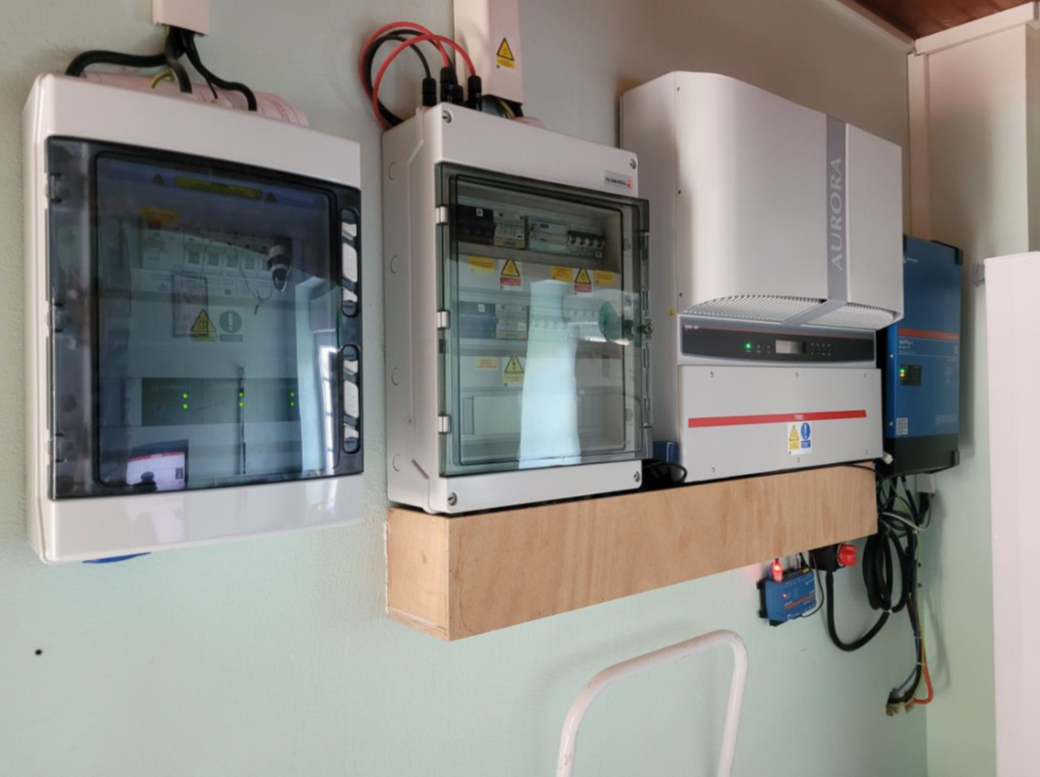
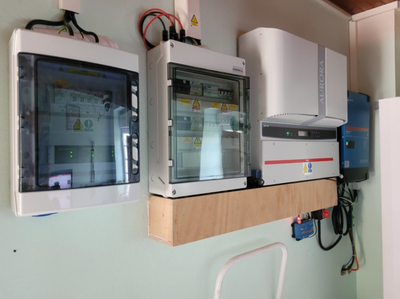
- ABB TRIO 8.5 kW inverter
- Solar-Log 50 monitoring gateway
Self-consumption and storage
- Eurener 320 Wp panels, approximately 6 kW in total
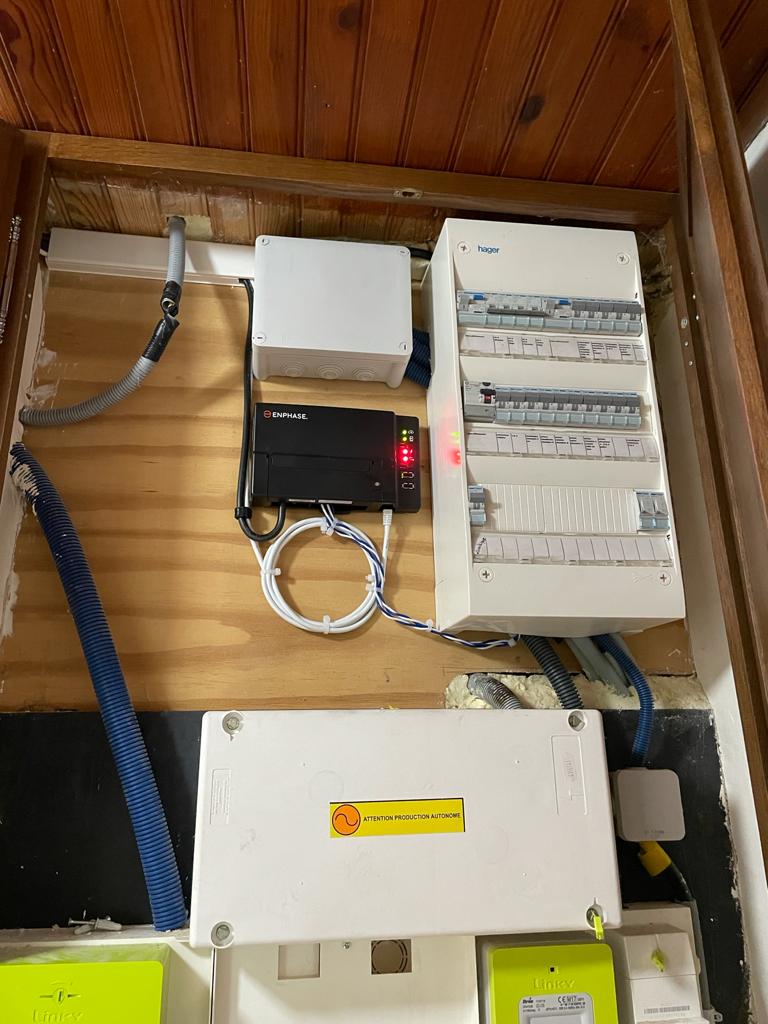
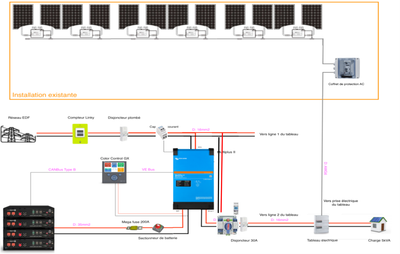
- Enphase IQ7 microinverters and Envoy-S Metered gateway
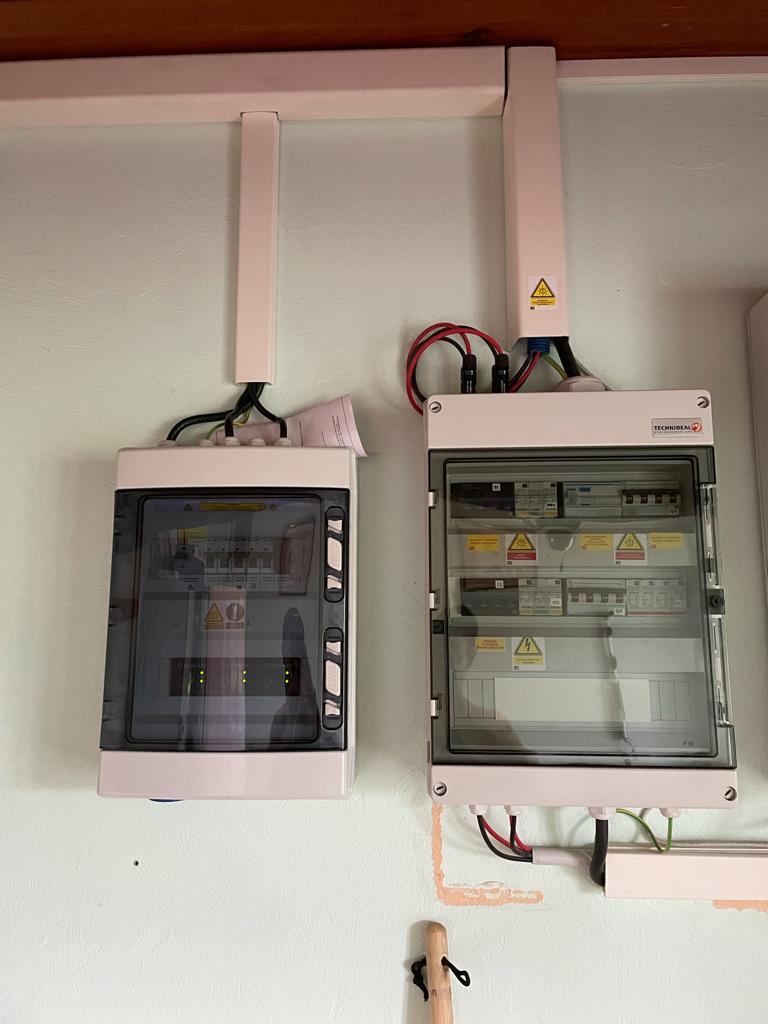
- Victron MultiPlus-II 48/5000/70-50 inverter/charger
- Victron Cerbo GX monitoring and control device
- ET112 energy meter and MK3-USB configuration interface
- Pylontech batteries, approximately 16 kWh
- Victron VEConfigure software and ESS configuration
- Source-transfer switch and Theben timer
How the equipment works together
Enphase IQ7: The microinverters convert the solar panels' DC output into AC power. The Envoy-S Metered gateway communicates with the microinverters and supports production and consumption monitoring when the relevant metering is installed. Monitoring the separate Victron/Pylontech battery system is handled through the Victron equipment.
MultiPlus-II: This inverter/charger converts battery DC power into AC and charges the batteries from AC. Its behaviour depends on the installed wiring and ESS settings.
Cerbo GX: This device brings together information from compatible connected equipment and supports local and remote monitoring through Victron's VRM platform.
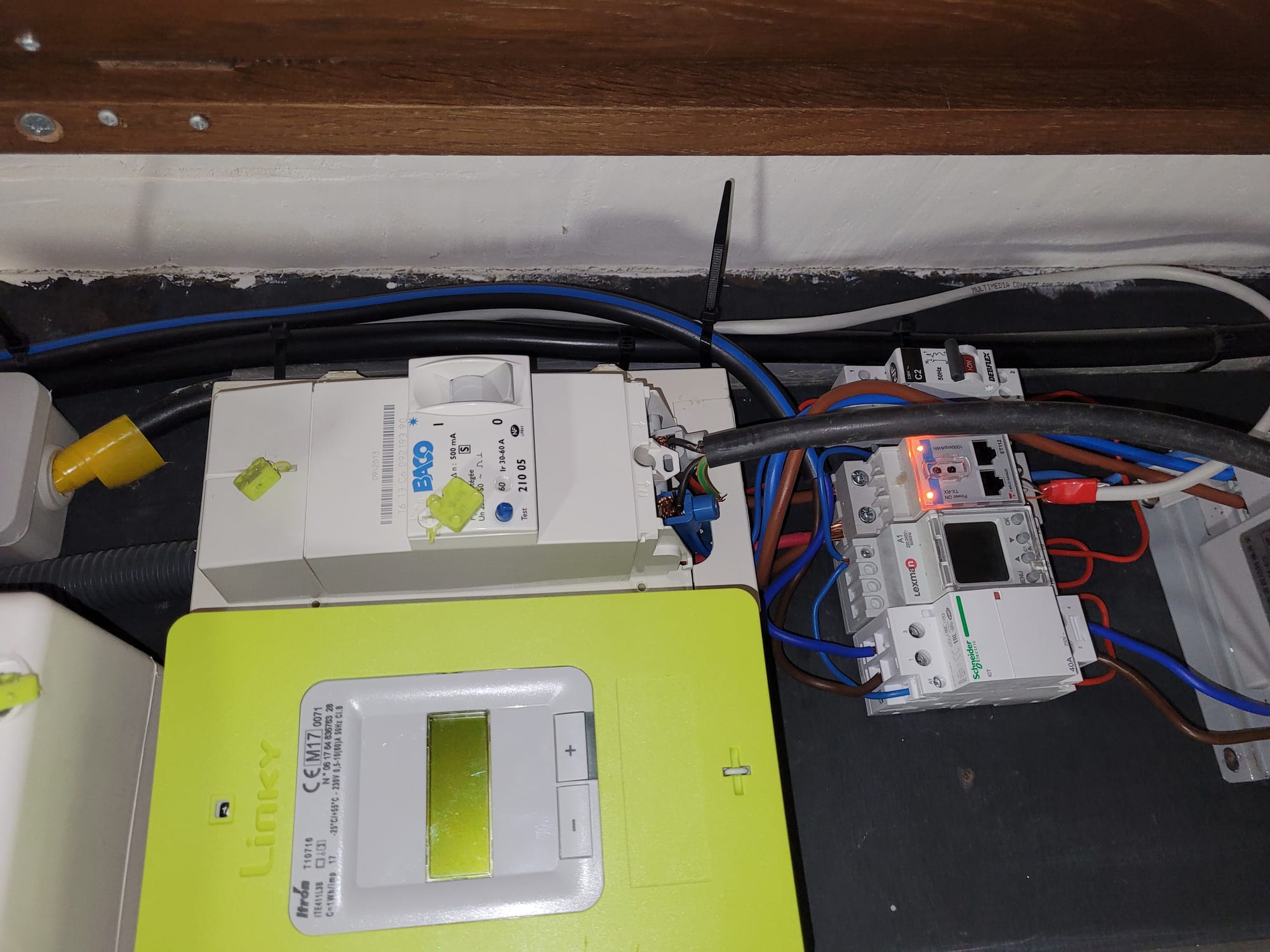
ET112: This single-phase energy meter measures power and energy. It can measure grid exchange, PV inverter output or an AC load, depending on its configured role. It does not charge the batteries.
MK3-USB: This interface connects compatible Victron VE.Bus equipment to a computer for configuration and firmware updates. It does not measure individual solar panels.
Pylontech batteries: These store energy for later use. The inverter/charger and battery-management system manage charging and discharging.
Source-transfer switch and timer: Their purpose and operating sequence depend on the actual installation. A grid outage requires an appropriately configured backup supply; changing sources alone cannot restore an unavailable grid supply.
Electric vehicles and backup-power project
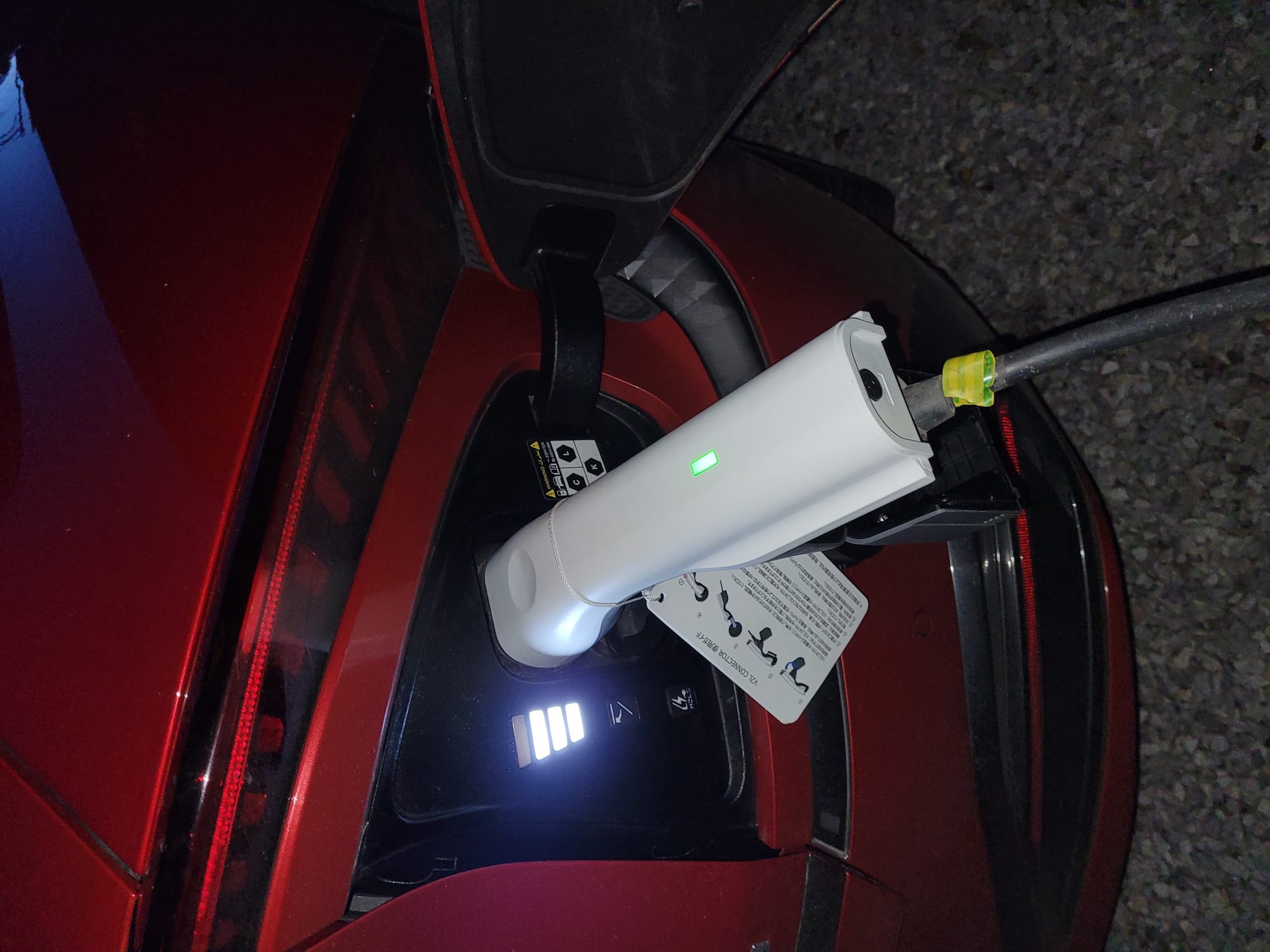
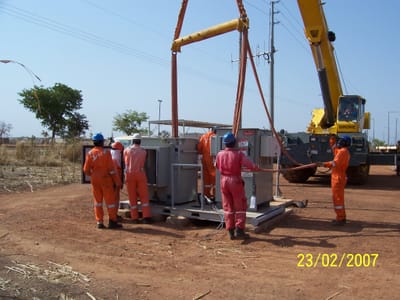
My notes also describe a 7 kW single-phase charger used for Tesla and Kia EV6 vehicles, and a Kia EV6 vehicle-to-load (V2L) backup-power experiment. The photographs show the commissioning stage. The available backup power depends on the vehicle, adapter and installation configuration. These photographs document my project and are not a wiring guide.
Equipment references: Victron MK3-USB · Victron ET112 manual.