From my original archive
Shetland Islands
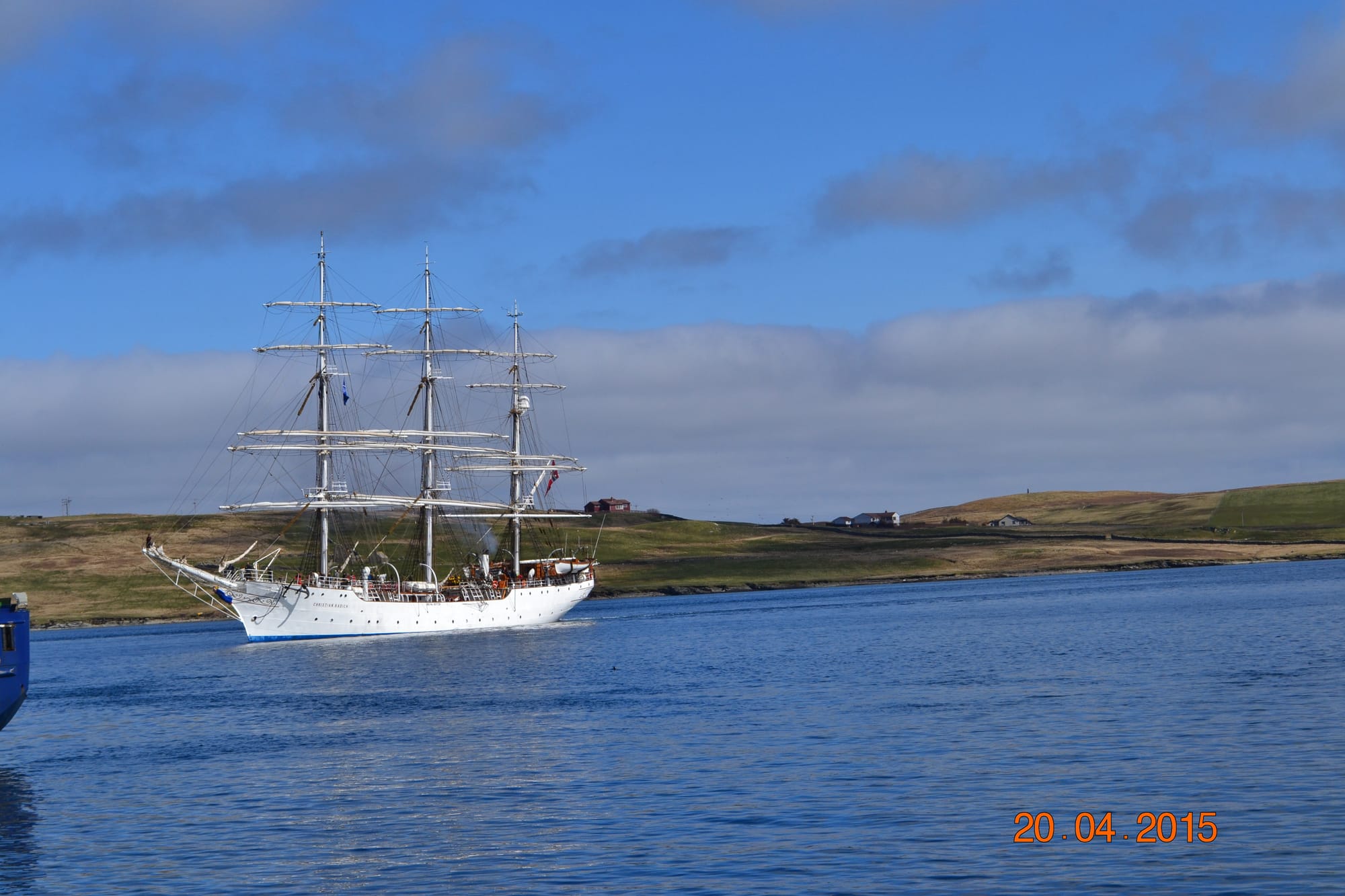
Destination overview
About this destination
Shetland is a Scottish archipelago north of mainland Great Britain. Lerwick is its principal town and port. The islands sit between the North Sea and the Atlantic Ocean.
Open moorland, sea cliffs and sheltered inlets characterise the landscape. Norse influences remain visible in place names and cultural traditions. Fishing, seafaring and offshore energy have shaped the local economy.
Long summer daylight contrasts with short winter days. Seabird colonies, archaeological remains and small coastal communities add context to an island group whose identity combines Scottish connections with a strong northern maritime heritage.
My connection
From 2012 to 2015, I worked with SPIE for Total UK on the Laggan–Tormore project as electrical superintendent. I coordinated a team of 16 people and followed electrical construction in ATEX areas, contractor interfaces, safety requirements and compliance with the project's technical standards and procedures.
Country reference · Shetland · island guide
Original archive notes and photographs
My original travel notes
Shetland is a group of about 100 islands in the northernmost part of Scotland, with only 16 of them inhabited. The islands have a rich and diverse history, culture, and geology, as well as a thriving community and economy. In this blog post, we will explore some of the aspects that make Shetland unique and attractive.
Landscape
Shetland's landscape is wild and beautiful, with deeply indented coasts, steep hills, and moorlands. The islands are shaped by the forces of nature, such as glaciers, volcanoes, and waves. The geology of Shetland is very complex and varied, with rocks ranging from 3 billion to 400 million years old. Shetland is part of the UNESCO Global Geopark network, which recognizes areas of outstanding geological heritage and promotes sustainable development through geotourism.
Shetland's landscape is also home to an amazing biodiversity. Over one million seabirds inhabit the cliffs and moorland, with 70 different bird species breeding in the isles and over 430 migratory species recorded. Shetland also has a rich marine life, with seals, otters, whales, dolphins, and fish. The islands have many rare and endemic plants and animals, such as the Shetland mouse-ear, the Shetland wren, and the Shetland pony.
Demographics
Shetland has a population of about 23,000 people, with 32% living in the capital, Lerwick. The population density is 16 people per square kilometer, which is higher than that for the Highlands and Islands (12 people per square kilometer) but lower than the Scottish average (70 people per square kilometer). Shetland has an age profile younger than the Highlands and Islands and in line with Scotland.
Shetland's population is mainly of Norse origin, as the islands were part of Norway until 1469. The islands have a strong cultural identity and heritage, with influences from Scandinavia, Scotland, and other places. The Shetland dialect is a blend of Scots and Norn (an extinct Norse language), with many words derived from Old Norse. Shetland also has a rich tradition of music, literature, crafts, and festivals, such as Up Helly Aa (a fire festival held in January).
Quality of Life
Shetland has a high quality of life, with low levels of crime, pollution, and unemployment. The islands have a vibrant economy, based on fishing, agriculture, tourism, renewable energy, and oil and gas. Shetland has benefited from the discovery of oil in the North Sea in the 1970s, which led to the development of the Sullom Voe Terminal (one of Europe's largest oil terminals) and the establishment of the Shetland Charitable Trust (a fund that supports community projects).
Shetland also has excellent public services and facilities, such as schools, health care, transport, and leisure. The islands have a modern road network and inter-island ferries that connect the main settlements. Shetland also has regular flights to Aberdeen, Edinburgh, Glasgow, Inverness, Kirkwall, Bergen (Norway), and Sumburgh (the main airport). Shetland has many cultural and recreational opportunities for residents and visitors alike. The islands have museums, art galleries, libraries, cinemas and theatres.