From my original archive
China
Destination overview
About this destination
China stretches across a large part of East Asia, with Beijing as its capital. Its landscapes include coastal plains, deserts, high mountains and major river basins. The Yangtze and Yellow River have shaped agriculture, settlement and cultural history. China is one of the world’s most populous countries. According to United Nations estimates, India overtook China in population in 2023.
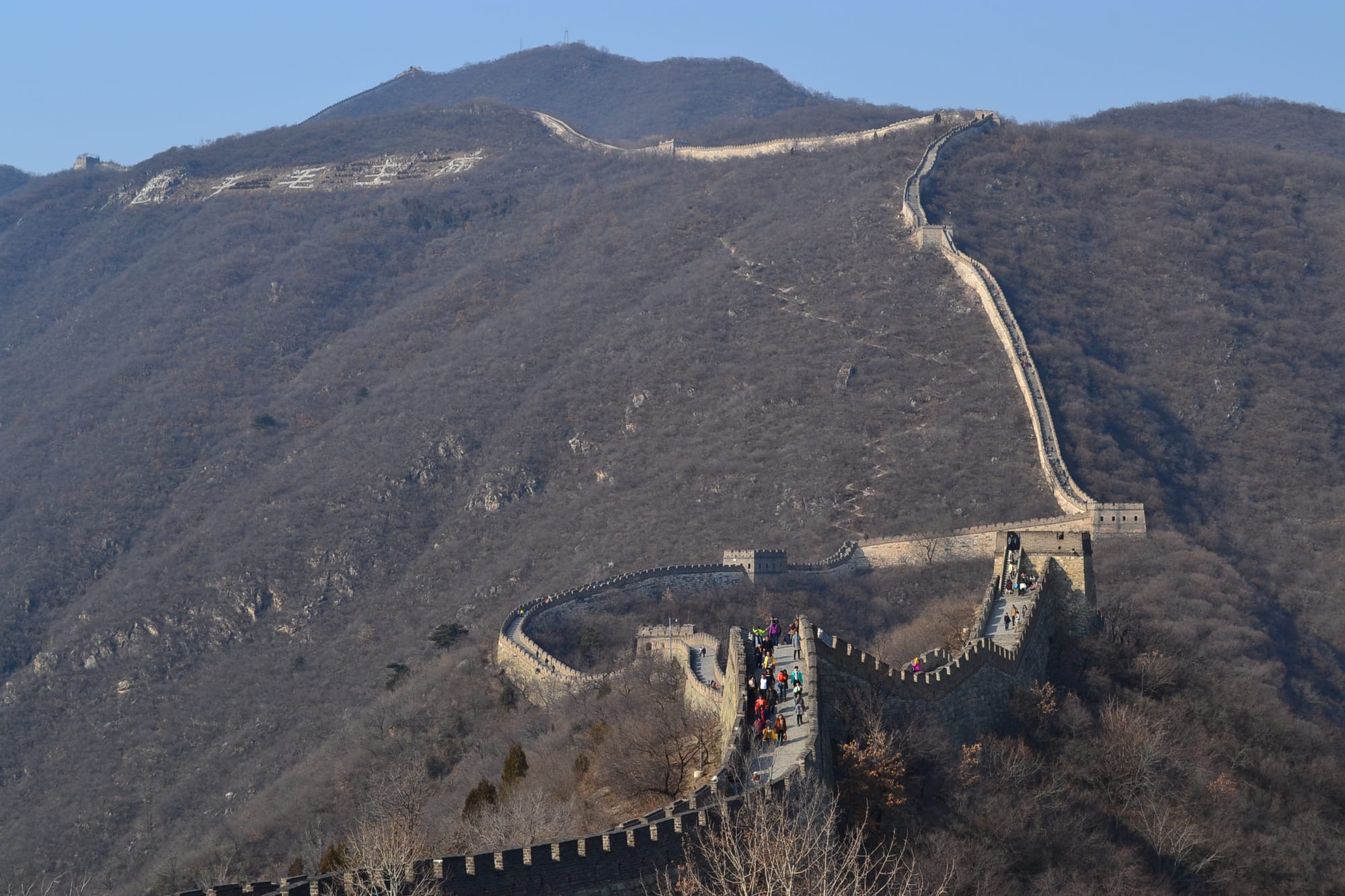
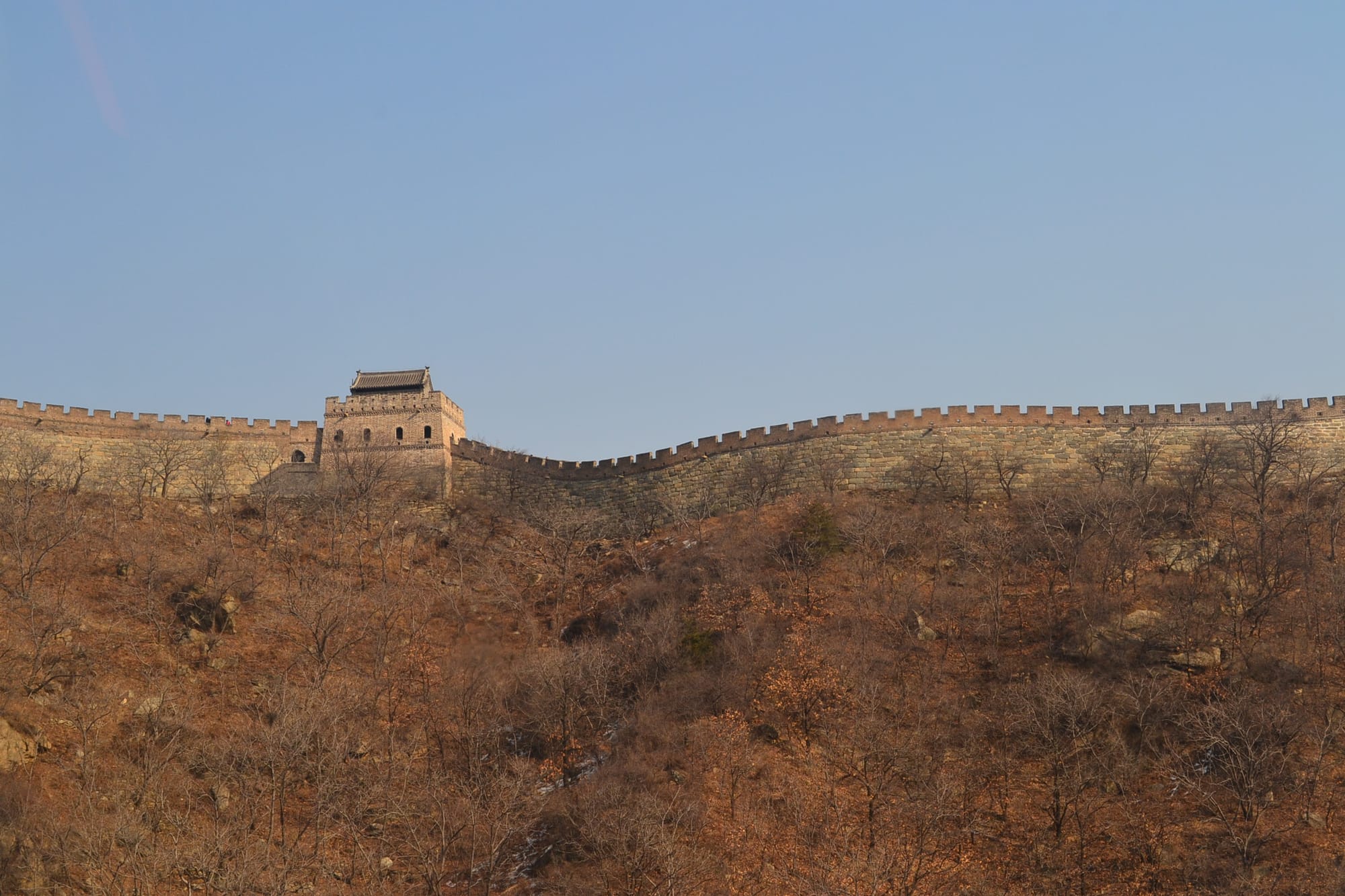
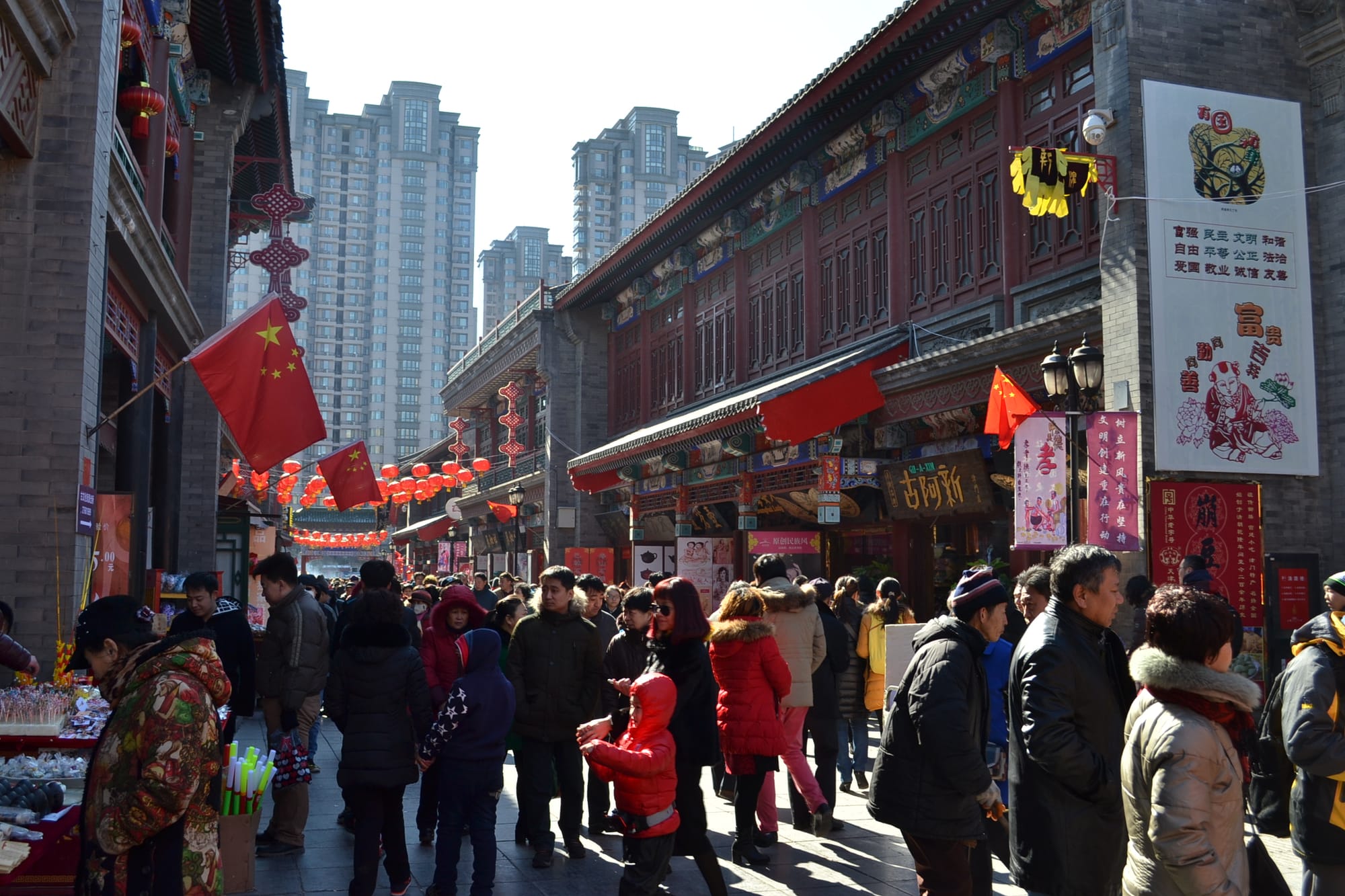
Historic sites such as the Great Wall and the Forbidden City reflect different periods of Chinese history. Shanghai and Tianjin illustrate the importance of ports and industrial development. Regional cuisines, languages and traditions differ considerably across the country.
High-speed rail and large manufacturing centres connect many of its cities. Alongside this modern infrastructure, temples, gardens and traditional neighbourhoods preserve older layers of daily life.
My connection
From 2015 to 2016, I worked in Tianjin on the Yamal LNG project with Anotech as MEP superintendent. I supervised construction activities and contractor interfaces, followed quality and safety requirements, and coordinated electrical, instrumentation and HVAC work against the project’s drawings, procedures and schedule. I was present in Tianjin on 15 August 2015, in the aftermath of the port explosions of 12 August. That period is a particularly significant memory within my China assignment.
Historical reference: Tianjin port explosions, 12 August 2015
Travel notes and photographs
My travel notes
China is one of the world’s most populous countries. According to United Nations estimates, India overtook China in population in 2023. It is located in East Asia and covers a vast territory with diverse landscapes, including mountains, deserts, and coastal regions.
The official language of China is Mandarin Chinese, and there are many other regional languages and dialects spoken throughout the country. China has a rich cultural heritage, including art, music, literature, and cuisine.
China has experienced rapid economic growth over the past few decades, becoming the world's second-largest economy after the United States. The country has a mixed economy, with a combination of state-owned and privately-owned enterprises.
China is also known for its significant contributions to science and technology, including the invention of paper, gunpowder, and printing, as well as recent advances in fields such as artificial intelligence and renewable energy.
However, China faces a range of challenges, including air pollution, income inequality, and human rights concerns. The country is also involved in territorial disputes in the South China Sea and has faced international criticism for its treatment of ethnic minorities such as the Uyghurs in Xinjiang.
Overall, China is a complex and rapidly changing country with a rich history and culture, a growing economy, and a range of social and political challenges to address.
Personal memories
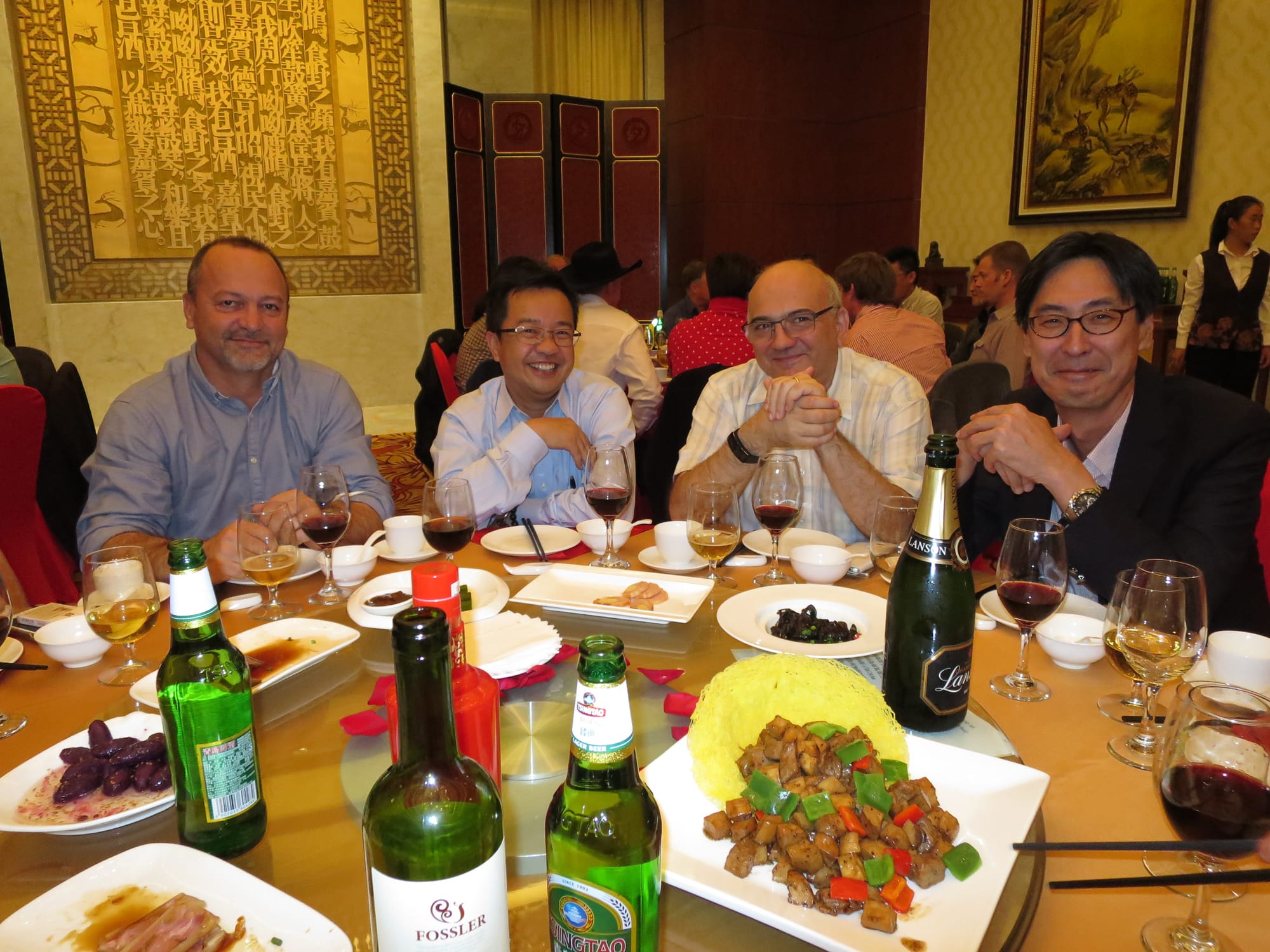
I worked in China for a year and a half, from 2015 until the end of 2016, building modules for the Yamal LNG plant in Russia’s Yamalo-Nenets region. Discovering another culture was enjoyable, even though I had already spent time in Taiwan some years earlier.
The Chinese colleagues I worked with were industrious. Some were unfamiliar with certain standards, but they were keen to improve and willing to learn. I found the country modern, with fast trains, large and impressive airports, and friendly people. Without the language barrier, it would have been one of the countries where I could have imagined living.
Our location was about three miles from the Tianjin explosion site. The explosions occurred on 12 August 2015 in the Binhai New Area, at a logistics warehouse storing hazardous chemicals, including sodium cyanide, ammonium nitrate and potassium nitrate. The blasts produced a huge fireball and shockwaves felt several miles away. I was present in Tianjin on 15 August, in the aftermath of the disaster.
 |  |  |  |  |